What is net effective rent?
Net effective rent is base rent minus the free rent from a special, spread evenly across the lease. It answers one question for you: on average, what does this apartment cost per month after the concession? With Austin apartment specials averaging 10.8 weeks free on our board (median, Oct 25, 2026), net effective is often hundreds of dollars below the advertised base rent, which is why it’s the first number on every card.
The formula
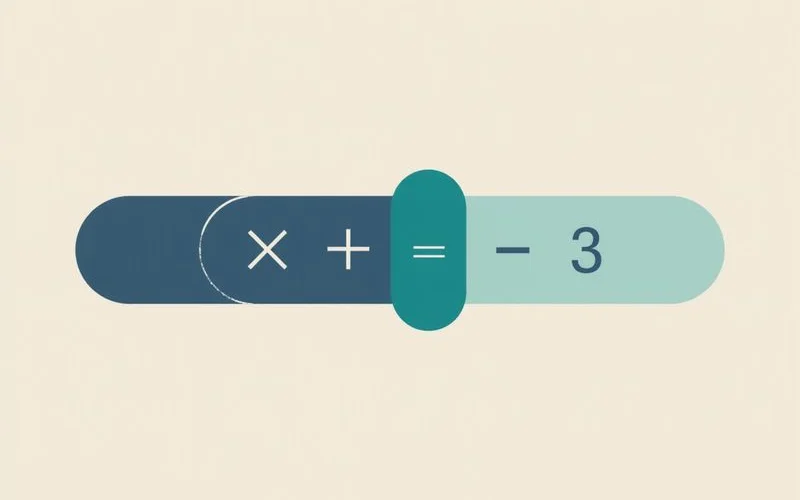
Net effective = (base rent × lease months − free rent) ÷ lease months
For specials quoted in weeks:
Free rent = base rent × 12 ÷ 52 × weeks free
The 12 ÷ 52 converts monthly rent to weekly rent. A month is about 4.33 weeks, so dividing by 4 would overstate the value of each free week.
Worked example from the board
Illustration, values as of Oct 25, 2026; live page uses the feed
Citizen House Decker, Far East Austin: $1,172 base rent, “up to 10 weeks free” on a 12-month lease.
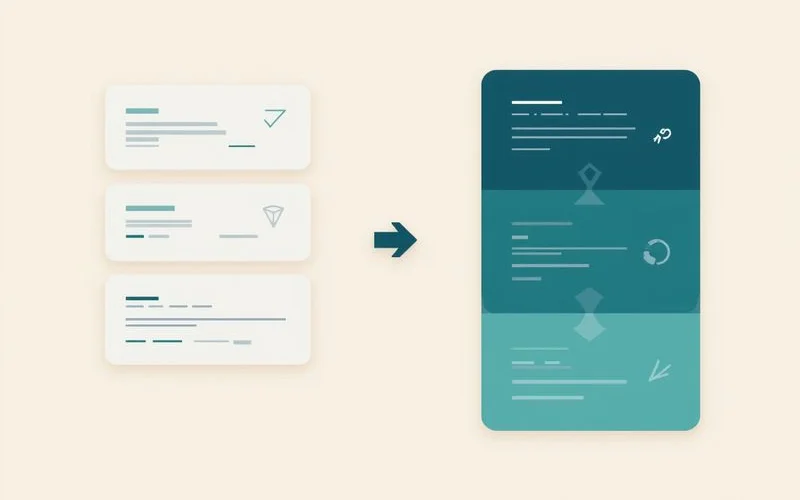
| Step | Math | Result |
|---|---|---|
| Weekly rent | $1,172 × 12 ÷ 52 | $270.46 |
| Free rent | $270.46 × 10 | $2,704.62 |
| Total lease rent | $1,172 × 12 − $2,704.62 | $11,359.38 |
| Net effective | $11,359.38 ÷ 12 | $947 |
What it means for you: the special makes this a $947-a-month apartment in year one, $225 below base. But your renewal will start from the $1,172 base, not the $947.
Net effective vs. true monthly
Net effective is rent only. True monthly is what you’ll actually budget:
True monthly = net effective + required fees + electric estimate + water charge + parking
At Citizen House Decker, required fees of $112.50 (Greystar calculator) bring the monthly to $1,059 before electric and parking. Across 12 board buildings, required fees ran $78-$228 a month (median $120.50). Our guide to required monthly fees explains each one.
What net effective leaves out
Three things net effective doesn’t show:
- Cash timing. An upfront special means you pay $0 for the first weeks, then full base. A prorated special credits you every month. Same net effective, different cash flow and payback risk. See upfront vs. prorated concessions.
- Gift cards. We keep gift cards out of net effective. They don’t change what the lease says you owe each month, so counting them makes a special look deeper than the lease allows.
- Year two. Renewals price from base rent. At the board’s 10.8-week median on 12 months, year two is about 26% higher at the same base.
How lease length changes the number
The same weeks free spread over more months lowers the discount per month:
| Base rent $1,500, 8 weeks free | 12 months | 15 months | 18 months |
|---|---|---|---|
| Free rent | $2,769 | $2,769 | $2,769 |
| Net effective | $1,269 | $1,315 | $1,346 |
| Discount off base | 15.4% | 12.3% | 10.3% |
A longer lease can still win if it comes with more weeks free. The 12 vs. 15 month lease guide shows how to compare them on a 24-month basis.
“Up to” specials
“Up to 10 weeks free” often applies to select floor plans, select move-in dates, or a minimum lease term. The net effective for your unit may be lower or higher than the headline suggests. We confirm which special applies to which unit before you tour.
Is net effective rent used for approval?
Usually not. Most buildings test income at about 3x base rent. A few test against rent after the special. On a deep special that difference can decide whether you qualify; see income requirements.
Run it yourself
The Special Decoder on the Specials page and our net effective rent calculator on the tools page use this exact formula, with year two shown beside the result. Or send us the specials you’re weighing, and we’ll decode each one with fees and year two, then show you what happens in year two before you sign.