We understand that managing real estate contracts requires sharp attention to detail. Finding the right property for your home or business often means weighing competitive move-in incentives.
These offers look great on paper.
Our team often sees renters shocked by hidden costs if they overlook a concession payback clause apartment managers sneak into the fine print. Let’s look at the data, what it means for your bottom line, and how to spot these traps before signing a contract.
When do you have to pay a special back?
You generally have to repay a move-in special when the concession addendum mandates it, and you leave before your lease expires. Many property owners include a strict payback clause in their new-build contracts. If you terminate early, break the agreement, or abandon the unit, you owe some or all of the free rent back.
U.S. apartment concession usage reached a near-record 16.9% in 2026 according to RealPage Market Analytics. This means more renters are signing leases with these clauses than in previous years.
On a 10.8-week special (the board median on Oct 25, 2026) on a $1,500 base rent, you have about $3,738 of free rent at stake. We always review these specific clauses first. It is a critical step when we analyze specials decoded on a property shortlist.
What the clause usually says
Industry-standard forms like the National Apartment Association or Texas Apartment Association addendums outline these rules clearly. Look for language in the concession addendum early termination section that specifies repayment terms.
- “If Resident fails to fulfill the lease term, Resident will owe the full concession amount.”
- “Concessions will be charged back upon early termination, lease buyout, or abandonment.”
- “The concession is earned monthly over the lease term.” (This one is usually prorated.)
Property managers across the US enforce these addendums aggressively. We see different states handling this enforcement in unique ways.
Property operations manuals from companies like S2 Residential show that states like Texas and Florida allow full concession chargebacks. Other jurisdictions like Colorado and North Carolina restrict property managers from reclaiming these funds.
| Clause type | What you owe if you leave early |
|---|---|
| Full payback | The entire concession, regardless of when you leave |
| Prorated payback | The unearned share, based on months remaining |
| No payback | Nothing beyond the lease’s normal early-termination terms |
How upfront vs. prorated changes exposure
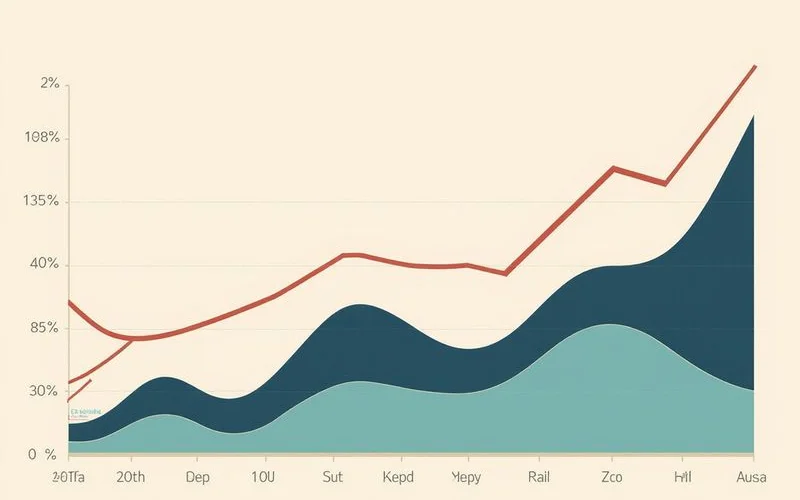
Take a $1,500 base rent with 8 weeks free ($2,769) on a 12-month lease. The national median rent sat near $1,388 in 2026, making this $1,500 example highly typical for a standard unit. A full-payback clause requires repaying everything you received.
| Exit after month | Upfront special: received | Prorated special: received |
|---|---|---|
| 3 | $2,769 | $692 |
| 6 | $2,769 | $1,385 |
| 9 | $2,769 | $2,077 |
| 12 | Lease complete | Lease complete |
With an upfront special, the property owner gives you the full financial value in the first few weeks. Early exits carry the maximum financial exposure under this structure.
A prorated credit ($231 a month in this example) causes your exposure to grow slowly month by month. Our team created a comprehensive guide on upfront vs. prorated deals to compare these formats in detail.
What it means for you
If there’s any chance you’ll move before the lease ends, a prorated special or a lower base rent with no payback clause can cost less than a bigger upfront special.
Payback can stack with other charges
Early termination often triggers a separate set of costly penalties. Landlords commonly charge a flat lease buyout fee when you break a contract.
A 2026 LeaseRunner report notes that this early termination fee typically costs one to two months of rent. Read the fine print to see whether paying this buyout fee also activates the concession repayment clause.
The Cost of Stacking Fees
We frequently warn clients about this stacking effect. Leaving early can cost you the buyout fee and the concession payback simultaneously.
Some landlords also add a reletting fee to cover marketing expenses. This reletting charge can equal 50% to 85% of one month’s rent. The combined total can easily exceed $5,000 for a standard US apartment lease.
Triggers to watch
Property managers monitor specific lease violations that activate the repayment clause. These triggers go beyond simply handing in your keys early.
- Early termination under the lease’s buyout option
- Lease break without using the buyout
- Skip or abandonment (Standard association leases often define abandonment as an unnotified absence of just 5 to 7 days)
- Eviction for nonpayment or severe lease violations
- Transfers to another unit in the same community, which some addenda treat as an entirely new lease
We advise reviewing the default section of your lease agreement carefully. Evictions filed under the Uniform Residential Landlord and Tenant Act will almost always trigger a full chargeback. Protect yourself by understanding exactly what constitutes a breach of contract.
What to do before you sign
You must take proactive steps before finalizing any real estate contract. We recommend looking closely at the Special Provisions section of the standard lease.
- Find the concession addendum and read the payback paragraph.
- Ask whether the concession is full payback, prorated, or none.
- Ask whether a buyout also triggers payback.
- Get the special, its value in dollars, and the payback terms in writing.
We read the concession and fee addenda with you on every lease. This ensures you never face surprise charges if your plans change. Our lease addenda red flags guide lists the other pages worth reading before you sign.
Next Steps for Renters
You should always calculate your worst-case exit costs before accepting a move-in special. We suggest saving a copy of your signed addendum in a secure digital folder.
Revisit these documents immediately if you need to repay move in special funds due to an unexpected relocation. Taking these precautions ensures your concession payback clause apartment experience remains predictable and fair.