
What is pre-leasing and how does pre leasing work?
As a professional service team, our agents define how does pre leasing work as signing a contract before a building’s first move-in. You get a brand-new unit and a heavy discount, but amenities might be unfinished.
We always tell clients to view this as the beta testing phase of renting.
A 2026 Austin Apartment Association report projects metro deliveries falling from 14,900 this year to just 7,000 in 2027. Our data shows that securing a brand-new unit next year requires acting fast.
Getting an early look at pre leasing apartments austin secures the best floor plans. We verify construction timelines daily to keep our clients ahead of the market. Check out these buildings opening soon for dates confirmed within the next 30 days.
The pre-leasing steps
Our agents guide clients through a five-step timeline starting with floor plan selection. Developers typically start marketing a building months before the Temporary Certificate of Occupancy arrives.
We find that signing at the 90-day mark provides low pricing and reliable dates. The pre-leasing process follows an exact sequence to prevent expensive misunderstandings.
Our table below breaks down every phase you will encounter. Each step requires specific written confirmations to protect your interests.
| Step | What happens | What to confirm |
|---|---|---|
| 1. Choose a plan | Pick a layout, usually from 3D renderings | Specific unit number, floor level, and sun orientation |
| 2. Hold the unit | Pay a holding deposit (typically $100 to $500) | Exact refund terms and expiration dates in writing |
| 3. Sign the lease | Agree to terms tied to a projected opening date | Final price locks, concession specials, and delay clauses |
| 4. Wait for the CO | The city issues a Certificate of Occupancy | An updated, guaranteed move-in timeline |
| 5. Move in | Complete a walk-through and fill out condition forms | Construction status of pools, gyms, and shared spaces |
Holding deposits: is a holding deposit refundable?
We see holding fees range from $100 to a full month of rent. A holding deposit is a temporary fee that takes an apartment off the market.
Our firm advises reading the fine print before handing over a credit card. The timeline for getting your money back varies wildly from building to building.
We categorize these initial payments into three common structures. You should ask the leasing office if the holding deposit refundable terms are clear.
- Fully refundable: You get your money back if you cancel within a short grace period, usually 48 to 72 hours, or if the property fails to deliver the unit on time.
- Applied to your security deposit: The property keeps the money during the wait, but the funds go directly toward your move-in costs once you sign the lease.
- Non-refundable: The fee is forfeited if you simply change your mind after the grace period expires, covering the landlord’s cost of relisting the apartment.
Get it in writing
The holding agreement controls everything. Before you pay, confirm the exact refund terms, what happens if the date slips, and whether the quoted rent price is officially locked.
Choosing a unit sight unseen
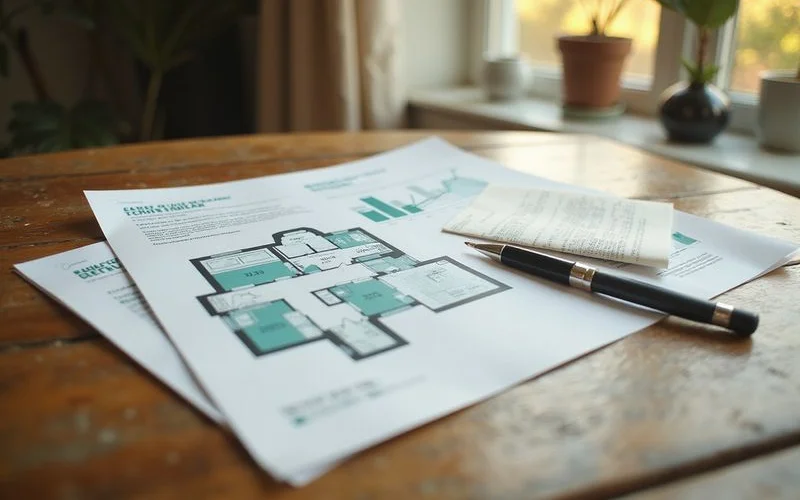
Our clients find that renting sight unseen is the most challenging part of pre-leasing. Selecting a home based entirely on architectural drawings requires careful attention to detail.
We tell everyone to study the site plan carefully to locate potential noise. A beautiful virtual tour will not reveal the street traffic outside a window.
Our agents check the property map for three critical elements before approving a unit. Certain physical details require verification before you commit to a specific door number.
- Where the unit sits: Confirm the exact floor level, sun orientation, and what the windows actually face.
- The finish package: Verify the material colors and appliance brands for that exact unit, as buildings often use two or three different design schemes.
- What sits nearby: Locate the trash chutes, elevator banks, parking garage gates, and any future construction phases that might generate noise.
We know that digital marketing assets always highlight the best features of a building. Check our comprehensive guide on renderings vs. the real unit to see the differences.
Hard-hat tours and model previews
Our team highly encourages taking hard-hat tours to gauge the physical space in person. These tours let prospective renters walk through active construction zones to view unfinished floors.
We suggest focusing on structural elements since the cosmetic finishes are likely incomplete. Properties usually open safe zones about 45 to 60 days before the target completion.
Our clients often spot crucial layout details that flat drawings completely miss. You must follow strict safety rules, which means signing waivers and wearing closed-toe shoes.
- Natural light levels: See how the sun hits the windows at that specific time of day.
- Ceiling height: Get a real sense of vertical space, which flat blueprints often misrepresent.
- Room scale: Physically walk the bedroom to ensure your large furniture pieces will actually fit.
We gladly arrange live video walks via platforms like Realync when spaces are safe. This digital alternative provides peace of mind when a physical visit is simply impossible.
Price locks and pre-lease specials
Our primary goal is securing a signed agreement that explicitly freezes your quoted rate. Price locks protect you from daily rent fluctuations while specials offer financial incentives.
We closely monitor pricing algorithms to help clients capture the best possible terms. Large operators use revenue management software like YieldStar to alter asking rents daily.
Our side-by-side comparison below shows why early incentives look different from standard rentals. An agreement that only reserves the unit without locking the price is dangerous.
| Feature | Established Building | New Pre-Lease Building |
|---|---|---|
| Typical Concession | 0 to 2 weeks free | 6 to 8 weeks free |
| Price Volatility | Changes weekly | Changes daily via software |
| Lease Duration | 12 months standard | 13 to 15 months common |
We advise evaluating promotional discounts by calculating the net effective rent. Management companies frequently offer six weeks free to hit their lender-mandated occupancy targets.
Our final check involves forecasting year two costs to avoid a massive renewal spike. Find the true monthly cost by dividing the total lease amount by the months.
Plan for delays
Our historical tracking indicates that municipal approvals frequently face delays of 30 to 60 days. Construction setbacks are extremely common, meaning your original move-in date is rarely guaranteed.
We prepare every client for the strong probability that their target timeline will shift. A property cannot legally open its doors until local inspectors issue a final Certificate of Occupancy.
Our firm tells clients to identify three specific contractual protections before signing. The exact consequences of a delay are buried deep inside your lease contract.
- Cancellation rights: Verify exactly how many days the property can be delayed before you are legally allowed to walk away with a full refund.
- Rent credits: Check if the landlord offers prorated daily credits for the time you cannot occupy the home.
- Interim support: Ask if the management team provides compensation for short-term hotel stays or temporary storage units.
We highly recommend building a flexible buffer into your moving schedule to prevent panic. Read the guide on what to do if the move-in date slips to explore options.
Conclusion
Our experts are always available to review floor plans with you. Securing a newly built apartment requires patience and strategic timing.
We hope this breakdown of how does pre leasing work gives you the confidence to lock in a great rate.
Getting in early remains the most effective way to secure a preferred layout. Our team is ready to help you evaluate current market specials.
Reach out today to schedule a quick consultation and discuss your next move.