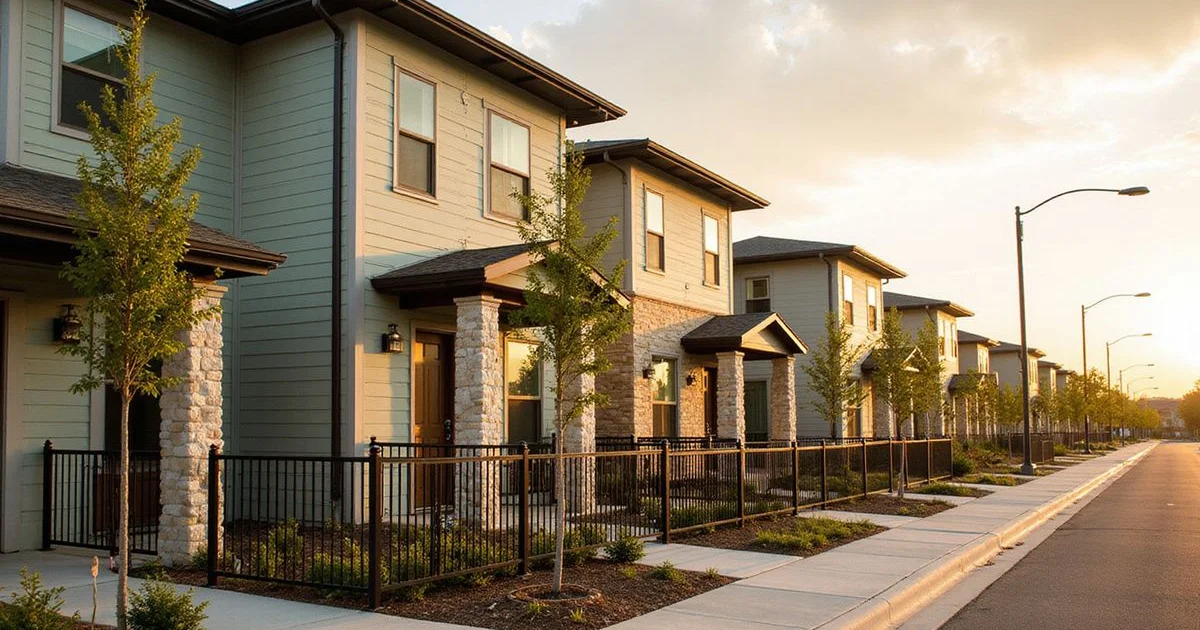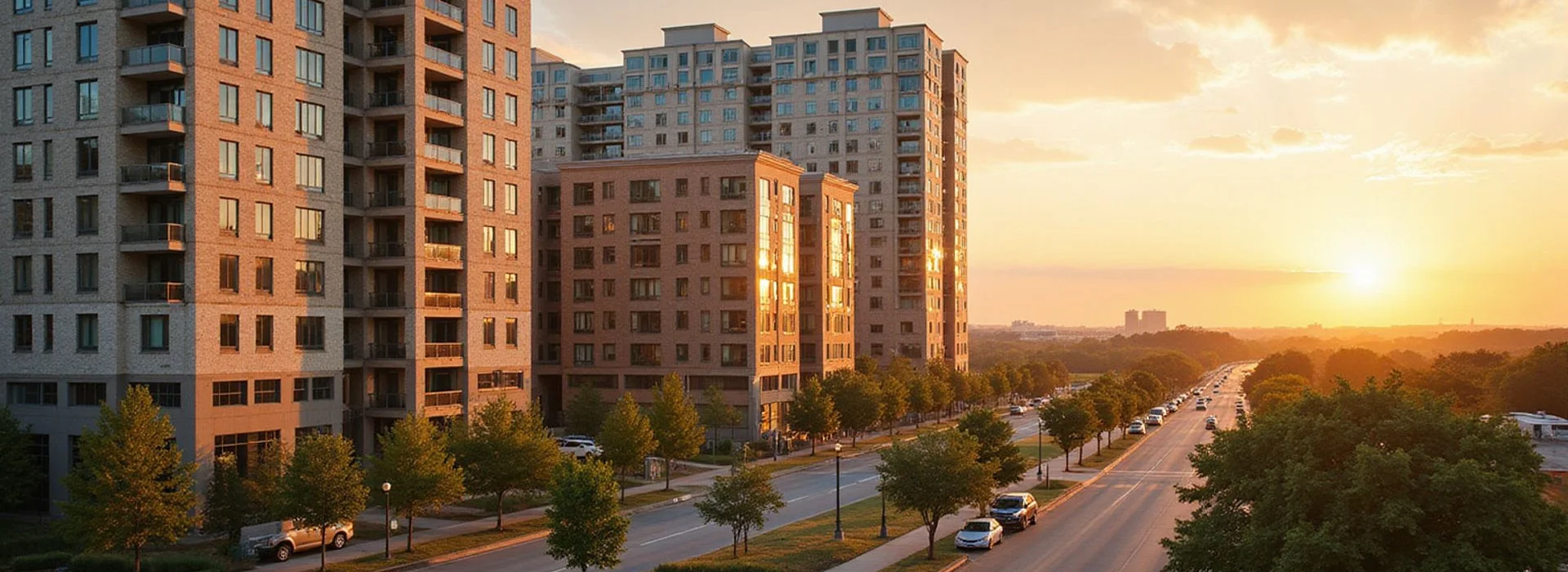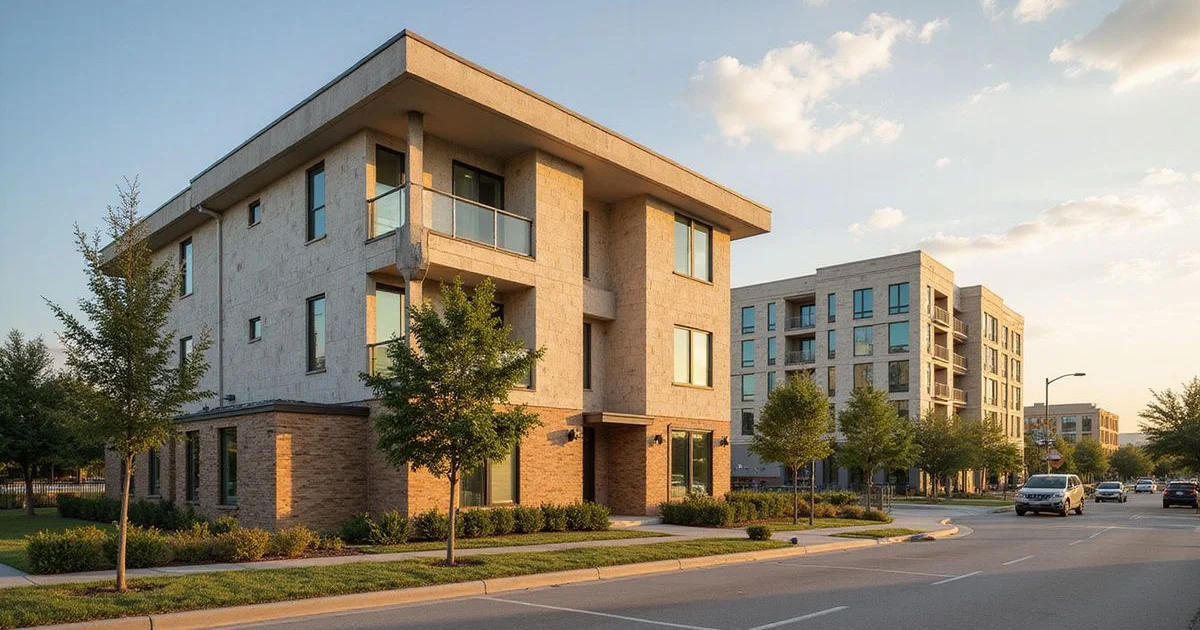
Build-to-rent home or new apartment: which costs less?
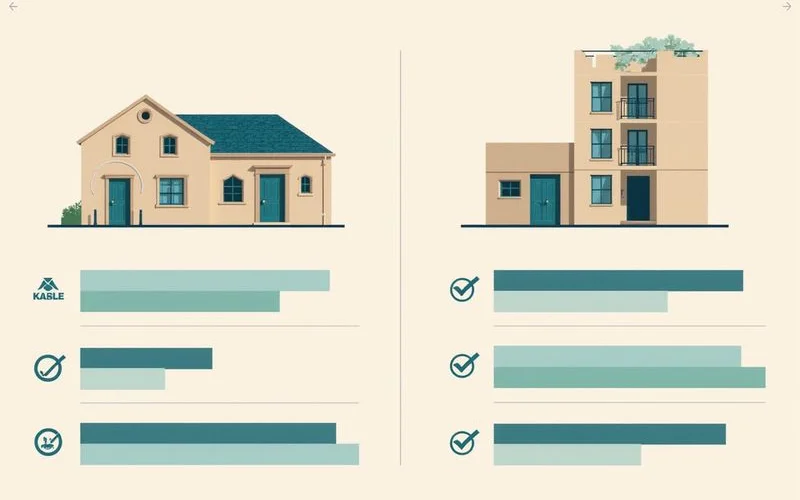
Many people looking to rent a house vs apartment in Austin feel torn between the space of a residential neighborhood and the convenience of a modern complex. Base rent alone is a terrible metric for making this choice because it hides the real cost of living.
A build-to-rent home almost always costs more than a new apartment once you calculate the true monthly expenses.
We notice that clients often underestimate the financial impact of utilities and fees. A build-to-rent home typically comes with a higher sticker price and separate billing for water and electricity.
A new apartment often piles on mandatory fees for trash collection and parking. Our team always pushes clients to calculate the full monthly expenses side by side.
Let us look at the data and break down the actual costs. Then, you can explore practical ways to choose the right fit for your daily routine.
Step 1: True monthly, side by side
Evaluating build to rent vs apartment options comes down to real numbers. Both of these scenarios reflect an 8-week special on a 12-month lease.
| Build-to-rent 3BR | New apartment 2BR | |
|---|---|---|
| Base rent | $2,100 | $1,800 |
| Net effective | $1,777 | $1,523 |
| Required fees | $90 (yard care, trash) | $150 (tech, valet trash, pest) |
| Electric estimate | $160 | $110 |
| Water | $70 (separate bill) | $55 (property-billed) |
| Parking | $0 (garage included) | $60 (garage space) |
| True monthly | $2,097 | $1,898 |
| Year two at 0% | $2,420 | $2,175 |
The BTR home costs about $199 more a month in year one for an extra bedroom, a private yard, and a garage. We find that Austin apartment averages sat around $1,646 in 2026, while single-family rentals climbed closer to $2,312.
This market gap makes finding a competitively priced BTR property incredibly valuable. Our goal is to help you see your specific choice in one clear number.
Evaluating a full twelve-month term reveals the hidden costs.
Step 2: Space vs. amenities
Comparing a townhome vs apartment rent requires looking beyond the basic floor plan. Space and convenience sit at opposite ends of this scale.
A build-to-rent property gives you valuable distance from your neighbors. We hear clients praise the lack of shared walls in detached homes.
Apartments rely on minimum soundproofing standards to keep the peace.
| Build-to-rent home | New apartment |
|---|---|
| More square feet, often more bedrooms | Smaller, more efficient layouts |
| Private yard and garage | Pool, gym, clubhouse, package lockers |
| No shared walls (detached) | Shared walls; STC 50 minimum between units |
| Fewer neighbors close by | More services on site |
The International Building Code requires an STC 50 minimum rating between apartment units. This Sound Transmission Class rating means you will not hear normal conversation, but loud music or shouting will still bleed through.
Our experts advise clients to consider how sensitive they are to ambient noise. You must decide if total privacy matters more than having a gym and pool steps from your door.
Step 3: Utilities
Your utility bills will look very different depending on your choice. BTR homes often carry a bigger electric load and require separate water billing.
We regularly help clients handle utility deposits before move-in day. Outer-ring Austin addresses might fall into the Pedernales Electric Cooperative or Bluebonnet service areas. Pedernales Electric Cooperative requires a $50 establishment fee and can charge up to a $150 deposit based on your credit history.
Apartments often bill water directly through the property under Public Utility Commission of Texas (PUCT) rules. Our experience shows this means they allocate costs across the building rather than billing your exact usage. This structure makes apartment water bills slightly less predictable.
What it means for you
A BTR home’s base rent may look close to an apartment’s, but utilities and space usually push true monthly higher.
Step 4: Commute
Many BTR communities sit on the edges of the metro where land allows for private yards. That location choice usually means a longer drive or reliance on a toll road.
We calculate that the average Austin commuter spends about 43 minutes driving round trip each day. You must add commute time and tolls to your financial comparison. Our guide on choosing by commute shows exactly how to map this out.
Keep these three transit factors in mind:
- Base Distance: BTR communities are often built in outer suburbs.
- Drive Time: Traffic on I-35 or US 183 dictates your schedule.
- Toll Fees: Paying for open lanes on State Highway 130 can drain your budget.
Tolls at $4 a trip and 10 trips a week add about $173 a month to your true cost.
Step 5: Pets and lifestyle
A private yard changes everything if you own a large dog. We know that a fenced lawn matters far more than a crowded community dog park.
If you work from home, having a dedicated office space and zero shared walls easily beats a clubhouse gym. Recent 2026 commuter surveys show that nearly a third of Central Texas workers still operate remotely at least part of the time. Think about these daily habits:
- Pet Needs: Large breeds need private yards, not just community runs.
- Work Setup: Remote roles require dedicated, quiet spaces.
- Social Life: Walkability favors urban apartments.
Our advice is to match your housing to where you spend the most hours. An apartment usually wins if you prefer walking to local restaurants or jumping on public transit.
What we’d do
A strictly mathematical approach removes the emotion from this decision. We would price your top BTR home and your top two new apartments on the board on true monthly cost and year two projections.
This process includes adding your estimated commute costs to the final calculation. Our method lets you lay out the primary tradeoff in a single sentence.
You make the best choice when all the numbers sit clearly in front of you.
Call our office today to run the figures on your top properties.