Which Austin roads are tolled, and what do they cost you?
We all know that calculating your austin toll roads cost commute is just a standard part of doing business here. Evaluating true transportation costs separates a good relocation plan from a great one. The Austin metro relies on a network of toll roads that speed up your drive but definitely add a monthly bill.
Recent 2026 rate increases from the Central Texas Regional Mobility Authority mean base costs have shifted slightly higher. A standard one-way trip might cost around $4 today.
If you are moving to Austin, that toll bill belongs in your apartment’s true monthly budget.
Ten trips a week easily puts you around $173 a month.
We are going to break down exactly which corridors charge fees, how to calculate your expected monthly costs, and where you can find free alternative routes.

Toll roads by corridor
Each toll road in Austin serves a distinct commuter path. You will choose your corridor based on where you live and work.
| Road | Where it runs | Who uses it from new buildings |
|---|---|---|
| 183A | Northwest: Cedar Park and Leander | Northwest employers, Leander and Cedar Park buildings |
| SH-130 | East of I-35: Georgetown to Del Valle | Samsung Taylor, Tesla Giga Texas, Manor, Hutto, Pflugerville |
| SH-45 | North (Round Rock to Pflugerville) and south segments | Round Rock, Dell, Far North cross-town trips |
| MoPac express lanes | Central and north MoPac | Downtown and Domain commutes |
| US-183 and SH-71 toll lanes | East and southeast segments | Airport and east-side trips |
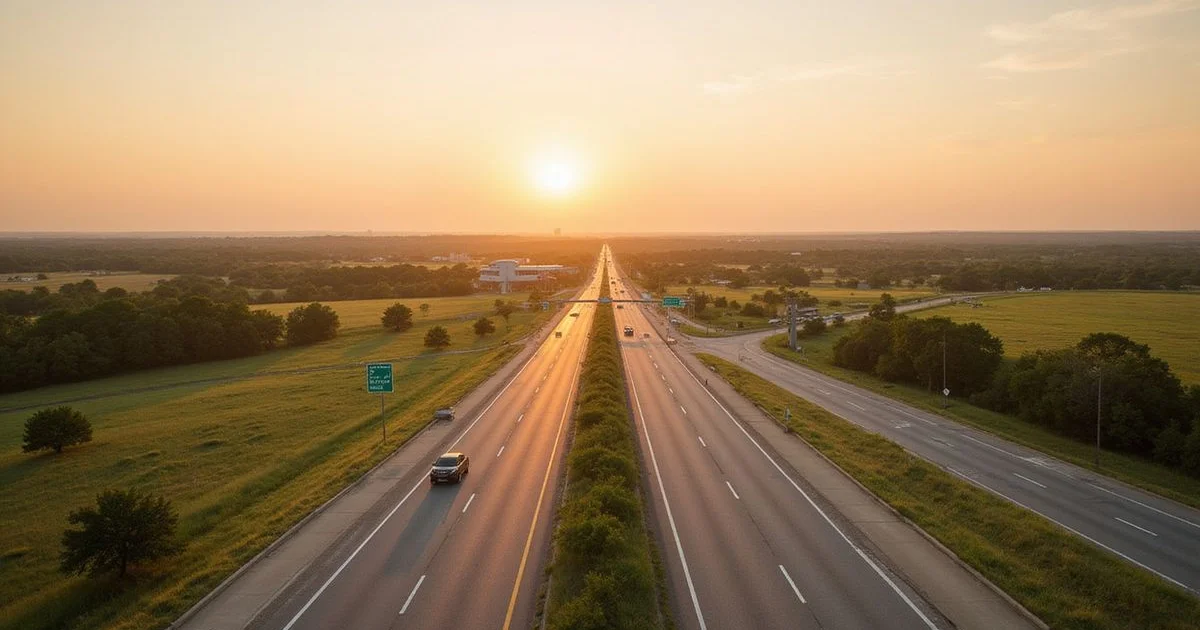
Our team highly recommends SH-130 for anyone working at the major tech campuses on the east side. The southern segments of SH-130 feature an 85 mph speed limit. This makes it the highest posted speed limit in the Americas.
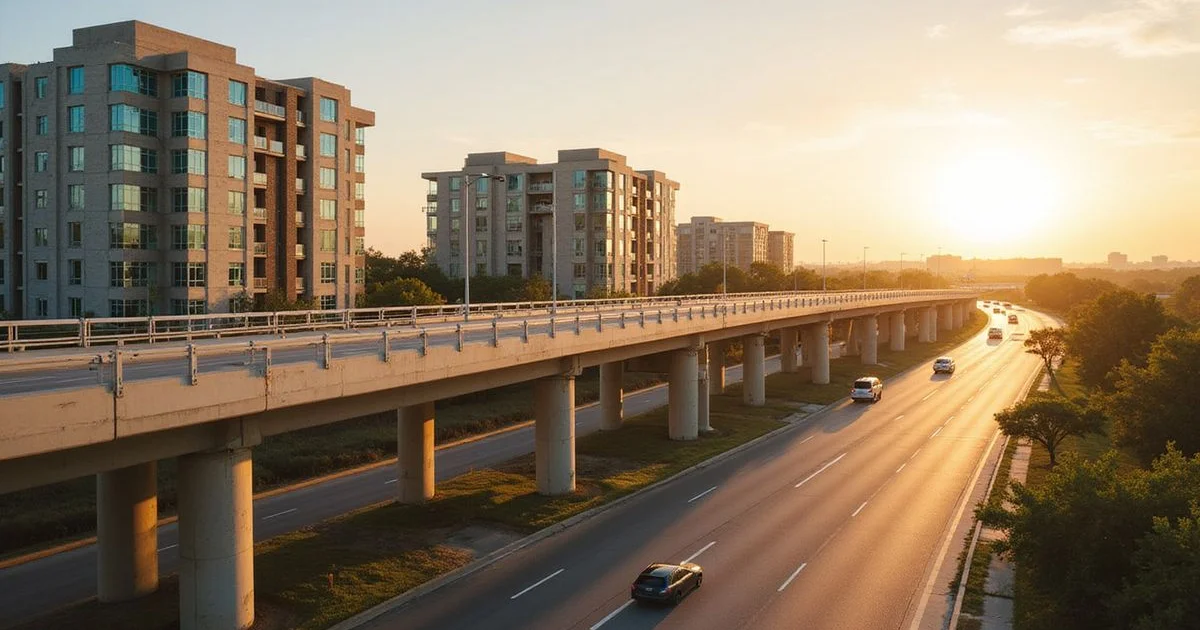
These managed lanes provide massive relief for specific suburbs. The 183A Toll extends 16 miles to give Cedar Park and Leander residents a direct bypass around heavy local congestion. Paying the 183a toll cost is often a small price for avoiding the constant stop-and-go traffic on the free main lanes below.
We see residents shave significant time off their daily drives by strategically using these specific corridors.
How to estimate a monthly toll bill
You can estimate your monthly bill by multiplying your per-trip cost by weekly trips, then multiplying by 52 weeks, and dividing by 12 months. Finding your exact base rate is the first step.
Monthly tolls = toll per one-way trip × trips per week × 52 ÷ 12

| Toll per trip | 5 trips/week | 10 trips/week | 14 trips/week |
|---|---|---|---|
| $2 | $43 | $87 | $121 |
| $4 | $87 | $173 | $243 |
| $6 | $130 | $260 | $364 |
We use a simple formula to help clients calculate these costs accurately. Checking the exact 2026 posted rate for your specific segment is critical. For example, the toll at the Crystal Falls Mainline Plaza increased by 9 cents this year.
Heavy commuters can easily spend over $200 a month if they use multiple toll points daily. The toll cost calculator on our tools page runs this exact math and adds the result to your true monthly rent.
What it means for you
A building $150 cheaper on rent with $173 in monthly tolls costs $23 more each month. Compare true monthly plus tolls.
TxTag basics
TxTag is the official Texas electronic toll tag that gives you the lowest rates on local roads. Getting a compatible tag is the single most cost-effective way to travel around the city.
- TxTag is the Texas toll tag; other compatible tags also work on Texas roads.
- Pay-by-mail bills by license plate and costs more per trip.
- Set up your tag before your first commute so early trips aren’t billed by mail.
Our team always tells new residents to secure a txtag austin account before their first day of work. It belongs on the same pre-arrival list as the steps for leasing a new apartment remotely. Pay-by-mail customers face rates that are 50 percent higher than tag holders. Those paper bills also include an additional $1.00 processing fee.
You have plenty of interoperable options across the state. The Harris County Toll Road Authority (HCTRA) recently took over processing for TxTag in the Austin area.
We also confirm that popular tags like EZ TAG from Houston and TollTag from Dallas work perfectly on all local toll roads.
Toll vs. free route
Most toll corridors offer a free, parallel alternative route that will take significantly longer during peak hours. You can usually choose between taking a tolled highway or sitting on standard, congested roads.
We show both the paid and free routes for each building on your shortlist so you can choose. Safety data shows drivers on SH-130 are 80 percent less likely to experience a crash than those on I-35.
Time savings present the biggest factor in this decision. Taking SH-130 instead of I-35 south saves an average of 30 minutes during the afternoon rush.
Here are the most common free alternatives to major toll routes:
- I-35 instead of SH-130 or SH-45
- Parmer Lane instead of SH-45 for specific cross-town trips
- US-183 main lanes instead of the elevated 183A Toll
Our clients usually decide the $4 or $5 fee is well worth the time savings and reduced stress.
Construction to plan around
Major highway construction will disrupt central Austin traffic for the next decade. The massive I-35 Capital Express Central project is the main hurdle you need to plan around.
We track these infrastructure projects closely because they drastically alter commute times. The $4.5 billion downtown initiative runs through 2033 with several major impacts:
- Drainage tunnel installation: Crews are excavating massive 22-foot tunnels from Airport Boulevard to Holly Street.
- Lane reductions: Critical stretches like the MLK bridge are dropping from four lanes down to three.
- Permanent closures: Several pedestrian paths and access points near Lady Bird Lake are closed until 2029.
Commutes crossing downtown will inevitably shift to MoPac or SH-130 during this extended period, which can definitely change your expected toll bill.
Our advice is to establish your preferred alternative route now before the worst of the central closures begin.
Big east-side commutes
SH-130 is the primary artery for major east-side employment hubs. This 91-mile corridor serves massive industrial facilities on the outskirts of town.
We help many tech workers find apartments near these sprawling campuses. The sh 130 toll cost is easily justified when you bypass the central city gridlock entirely.
Traffic volume continues to surge around the $17 billion Samsung Taylor plant and Tesla Giga Texas. The detailed guide to SH-130 commutes covers exact drive times and the best neighborhoods to explore.
Reach out to our team today to find an apartment that perfectly balances your commute time and your budget.